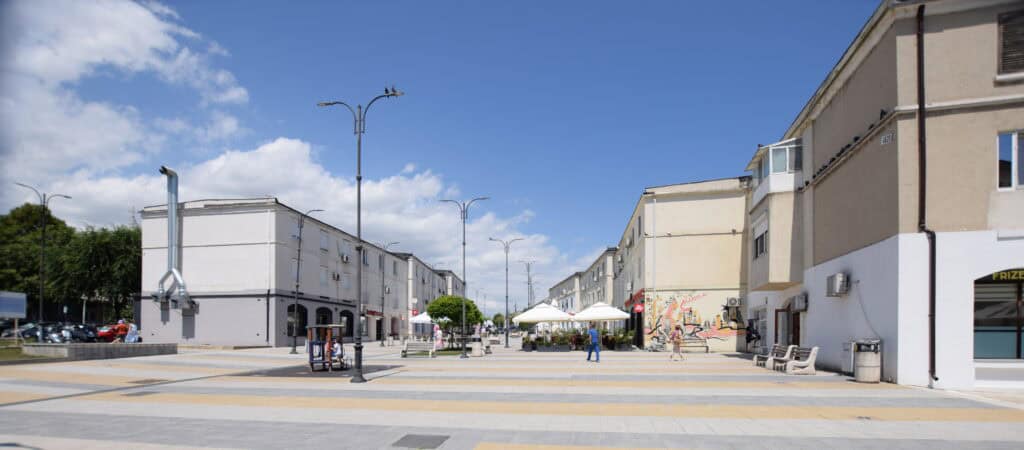
Mangalia: Where Ancient Callatis Meets the Black Sea
Nestled on Romania’s southern Black Sea coast, just a few kilometers north of the Bulgarian border, Mangalia is one of the country’s oldest continuously inhabited cities. While many visitors know it as a pleasant seaside resort, the city tells a much richer story—one that stretches back more than 2,500 years.
From Greek Colony to Roman City
Mangalia began its history around the 6th century BC, when Greek colonists from Heraclea Pontica founded the city of Callatis. Unlike many Greek settlements established solely for trade, Callatis quickly became an important cultural and economic center, issuing its own coins and maintaining close commercial ties across the Black Sea and the Mediterranean.
During the Roman era, Callatis continued to flourish. The city expanded its fortifications, public buildings, baths, and temples, becoming an important regional port. Today, archaeological excavations continue to reveal remnants of this ancient civilization, including city walls, tombs, ceramics, inscriptions, and everyday objects that offer a fascinating glimpse into life more than two millennia ago.
Through Byzantium, the Middle Ages, and the Ottoman Empire
After the fall of the Roman Empire, Mangalia passed through Byzantine, Bulgarian, and later Ottoman rule. The city’s strategic position on the Black Sea ensured its continued importance, although it never again reached the prominence it had enjoyed during antiquity.
One of the city’s most remarkable monuments from this period is the Esmahan Sultan Mosque, completed in 1575. It is one of Romania’s oldest surviving mosques and remains an active place of worship, reflecting the multicultural heritage that has shaped the Dobruja region for centuries.
the Esmahan Sultan Mosque
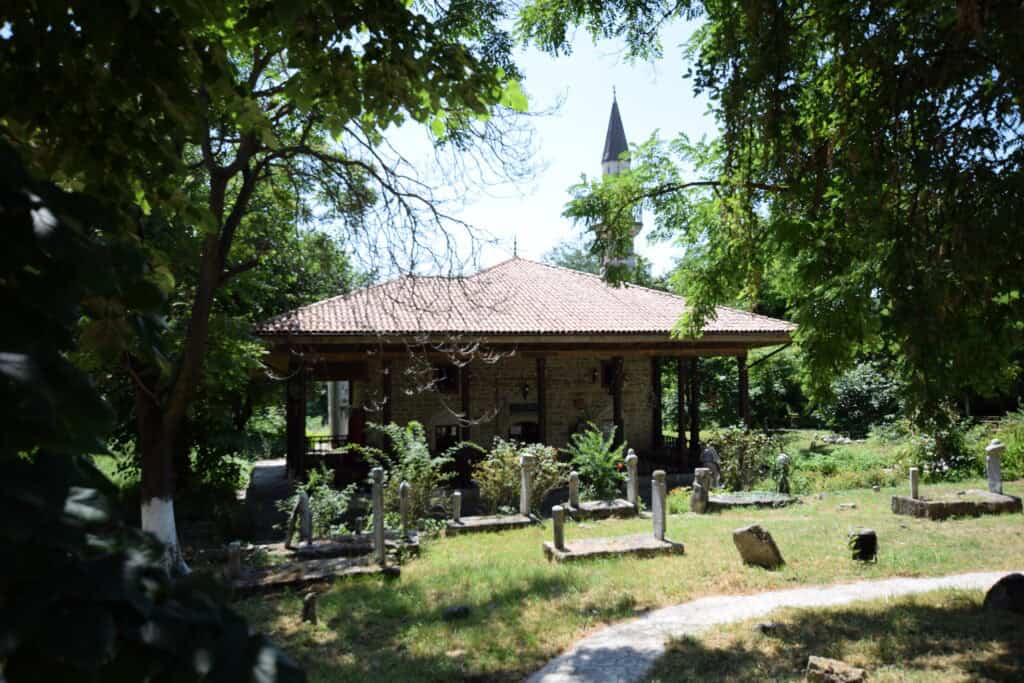
Among Mangalia’s most remarkable historical landmarks is the Esmahan Sultan Mosque, completed in 1575 during Ottoman rule. It is one of the oldest surviving mosques in Romania and remains an active place of worship today. Built from stone blocks recycled from the ancient city of Callatis, the mosque is surrounded by a peaceful Muslim cemetery containing centuries-old tombstones. Hidden among mature trees, it is surprisingly difficult to photograph in its entirety, but its quiet atmosphere and historical significance make it one of Mangalia’s most fascinating monuments.
A Modern City with Three Souls
Today’s Mangalia combines three distinct identities that coexist in harmony.
A Commercial Port
Mangalia remains an active maritime center. Its harbor serves commercial shipping, fishing vessels, and supports local industries connected to the Black Sea. Nearby lies one of Romania’s major shipyards, where commercial and naval vessels are built, repaired, and modernized.
A Seaside Resort
For many Romanians and international visitors, Mangalia is above all a gateway to the sea. Its sandy beaches, waterfront promenade, parks, and mild summer climate make it a popular destination. The city also serves as a convenient base for exploring nearby resorts such as Saturn, Venus, Cap Aurora, Jupiter, Neptun, Olimp, and the lively village of Vama Veche.
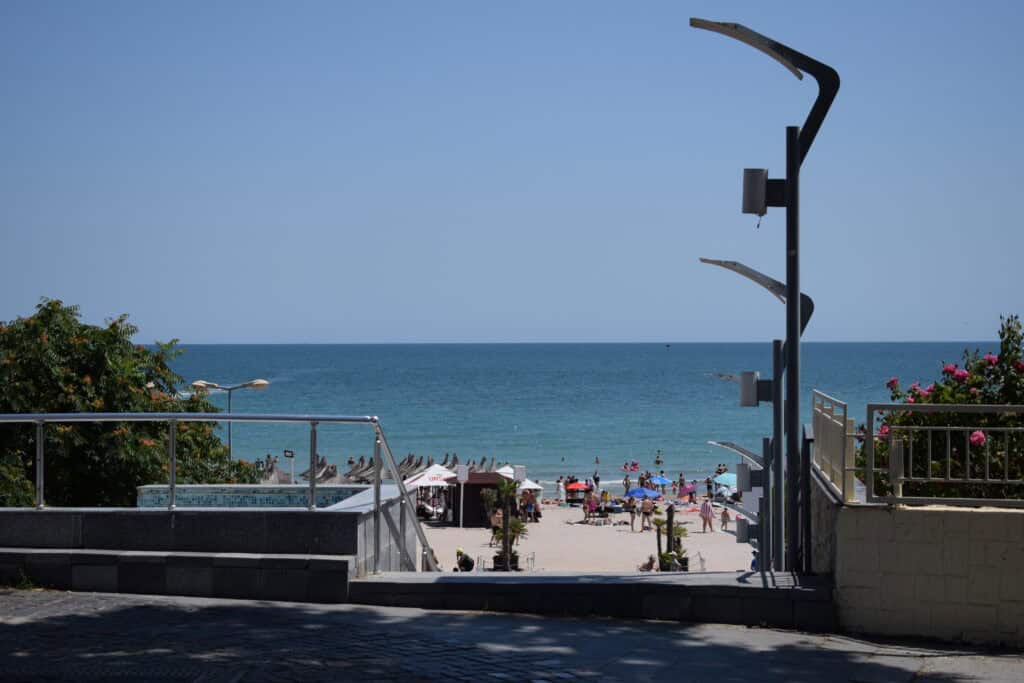
The area’s mineral springs and therapeutic mud have also made Mangalia an important destination for wellness and spa tourism.
A Treasure for History Lovers
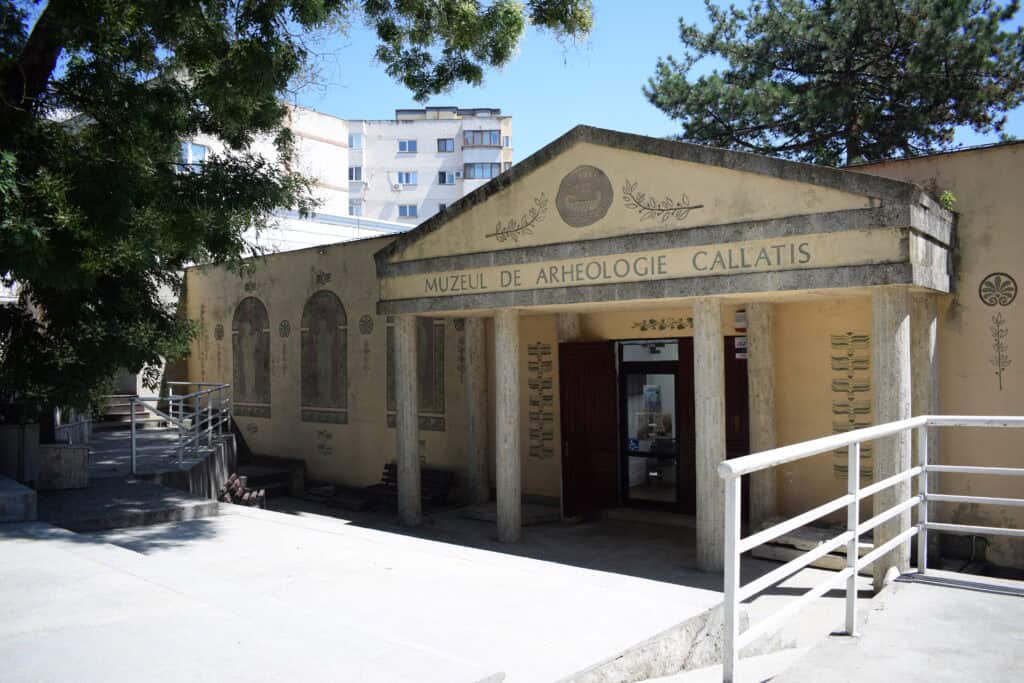
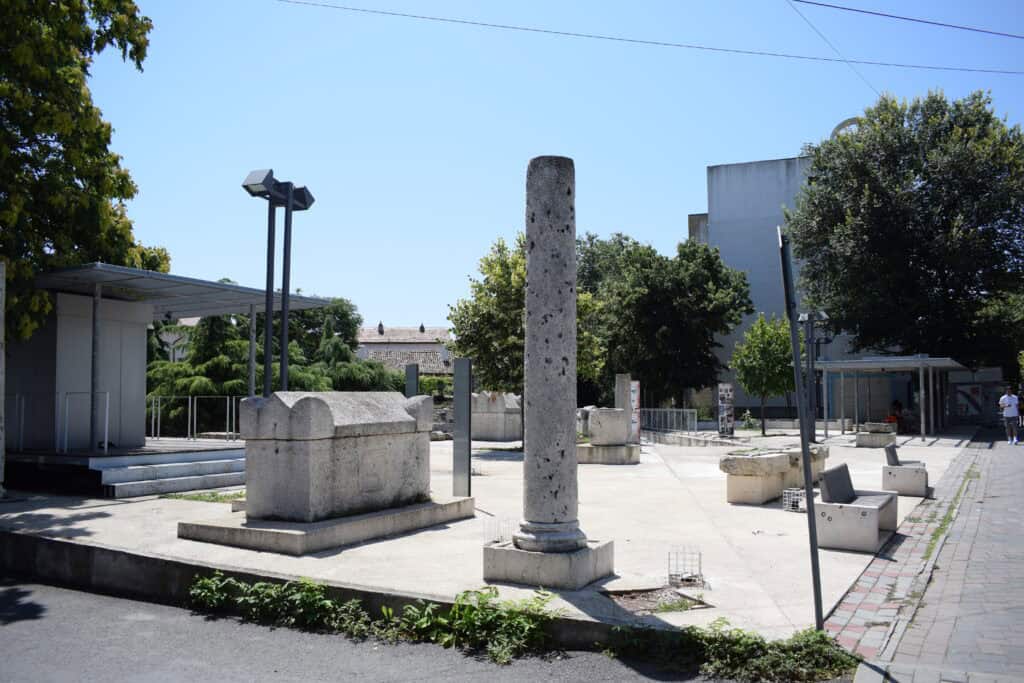
Perhaps Mangalia’s greatest charm lies beneath its streets. The ancient city of Callatis continues to emerge through archaeological research, with discoveries displayed in the Callatis Archaeological Museum and at several excavation sites throughout the city.
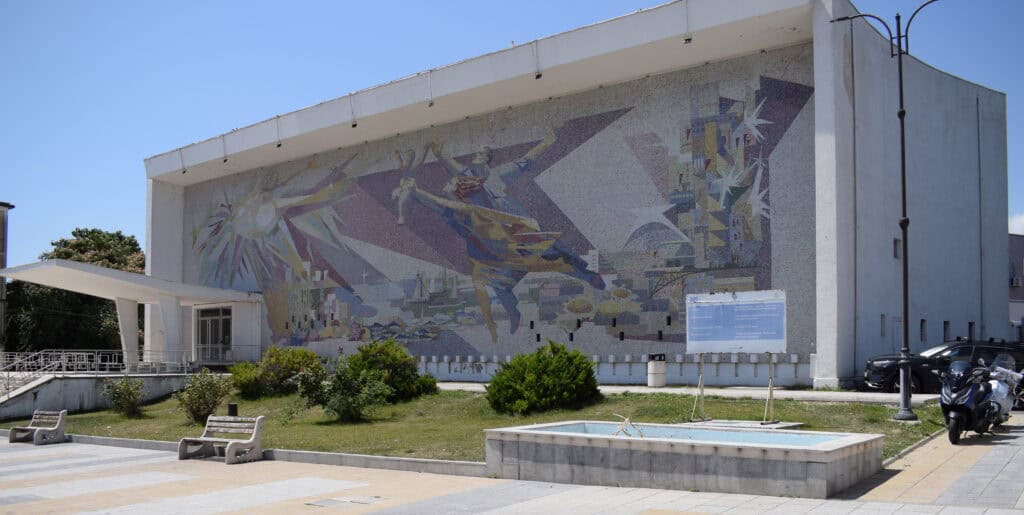
Walking through Mangalia means moving between different eras: Greek foundations, Roman ruins, Ottoman architecture, communist-era mosaics, and modern seaside promenades all exist within a remarkably compact urban landscape.
A City Worth Exploring Slowly
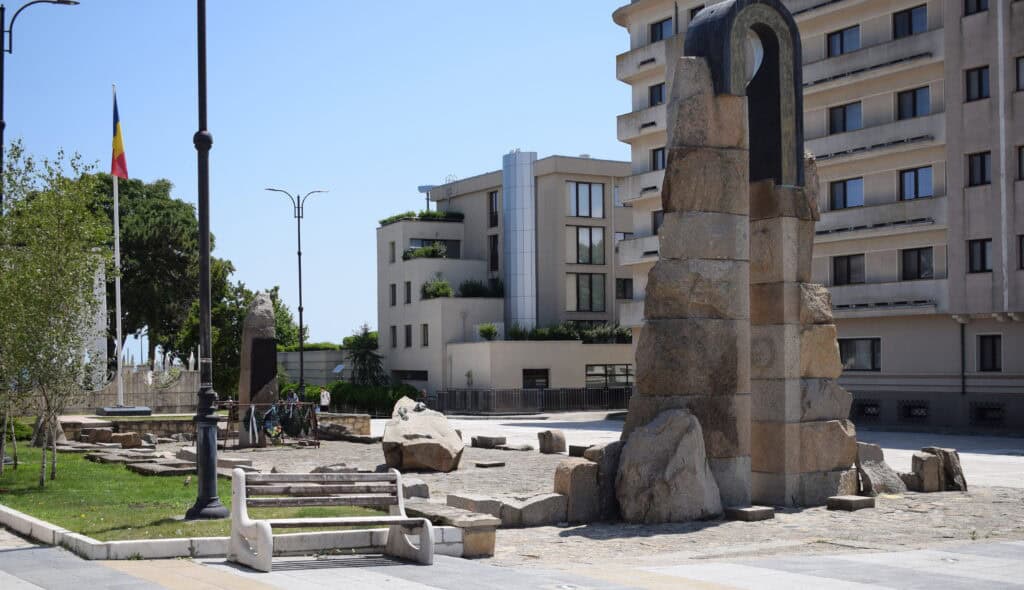
Mangalia is often overshadowed by Romania’s larger Black Sea resorts, yet that is precisely part of its appeal. It is a place where history feels tangible, where the sea remains central to daily life, and where ancient stones stand only a short walk from beaches filled with summer visitors.
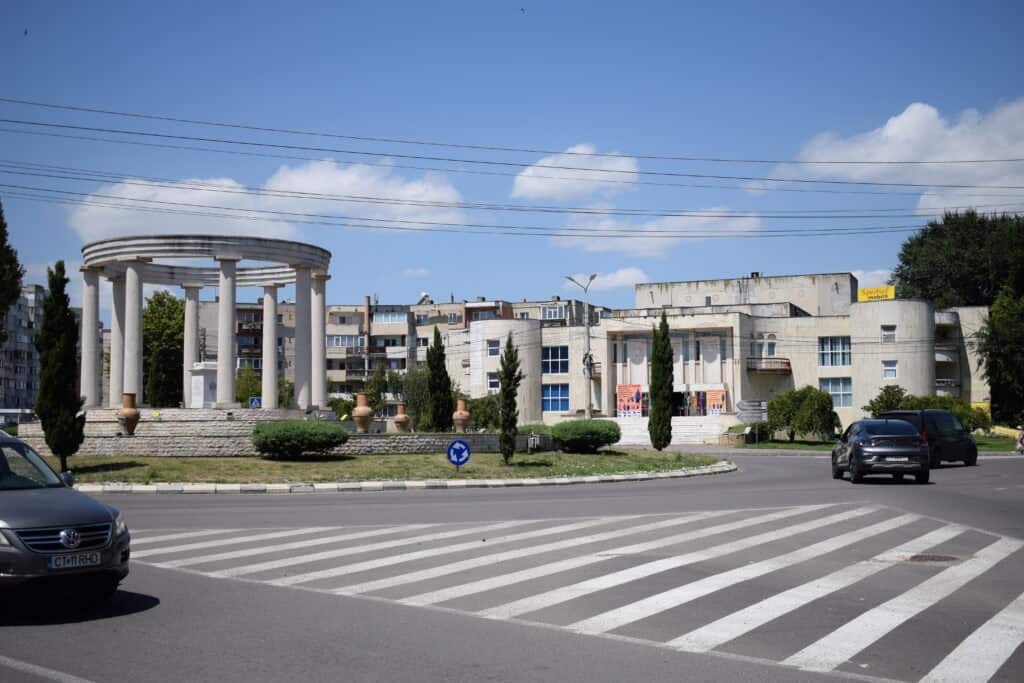
Whether you come to discover the legacy of ancient Callatis, enjoy the Black Sea coastline, or simply experience a quieter side of Romanian seaside life, Mangalia rewards those willing to look beyond its beaches. Here, history and the sea have shaped the city together for more than twenty-five centuries, creating a destination unlike any other on Romania’s coast.